Three to look for
Common
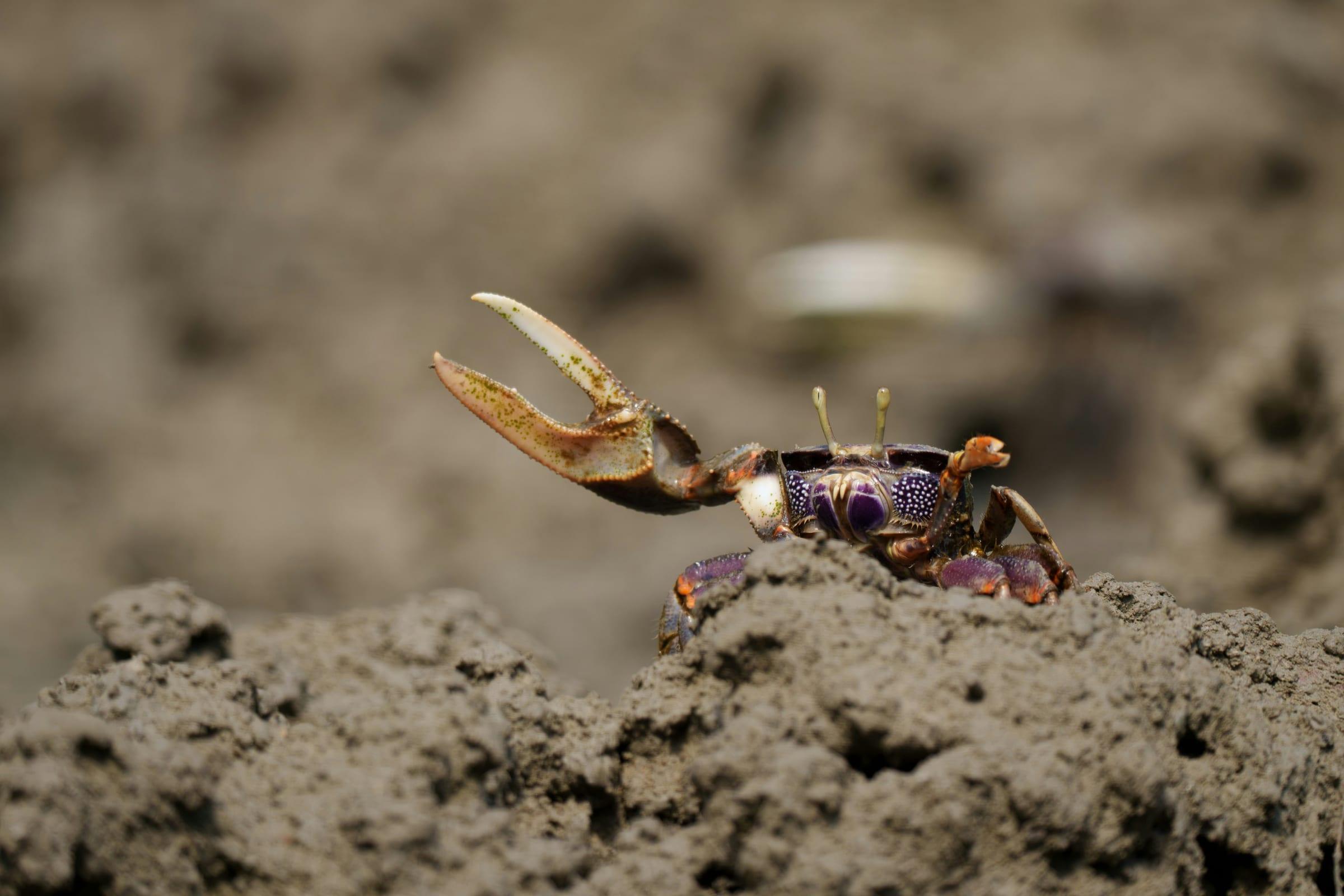
Fiddler crab
Afruca tangeri
At low water the mud starts moving: thousands of them, the males waving one oversized claw. It is the only fiddler crab in Europe.
Seasonal
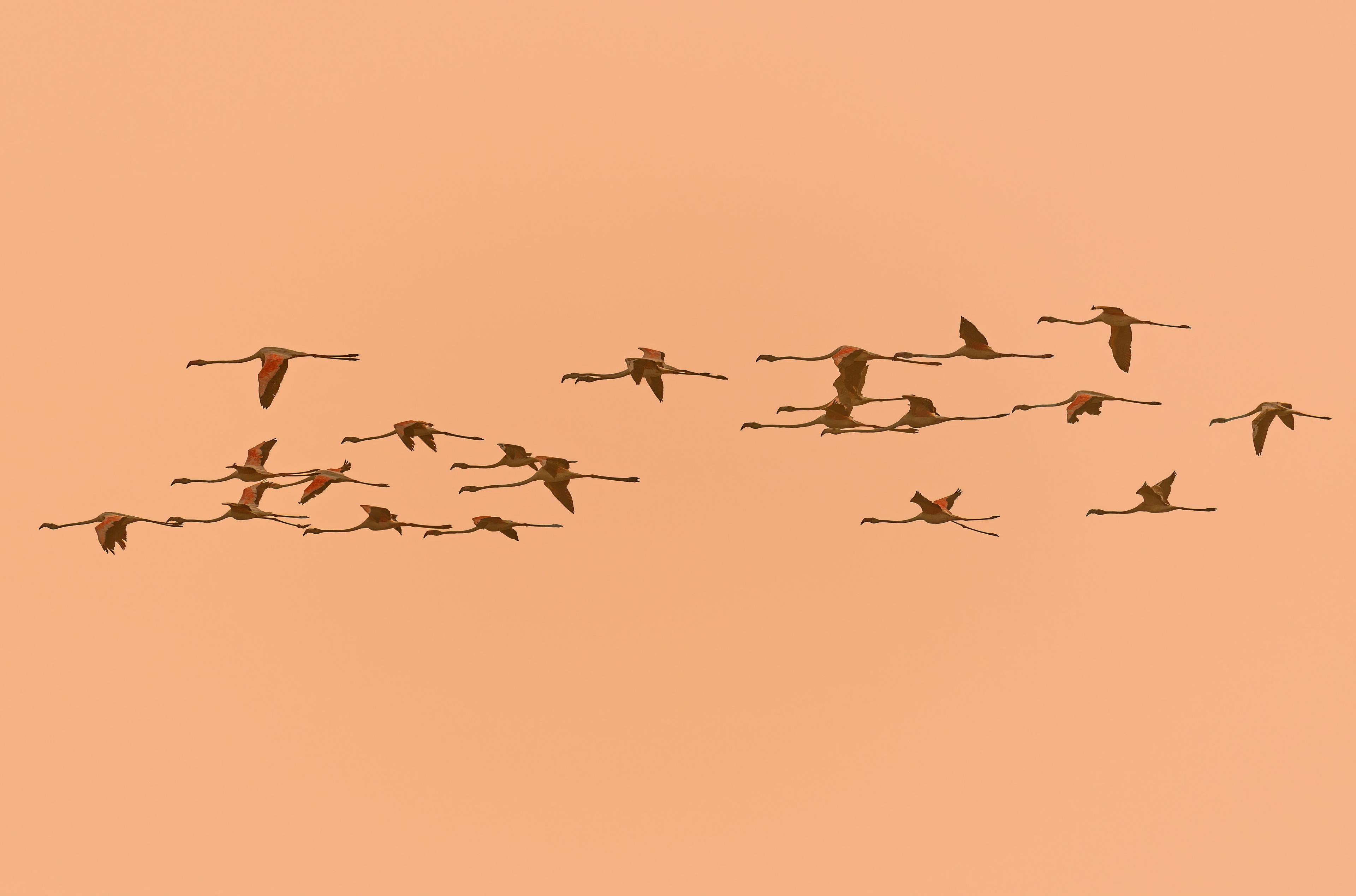
Greater flamingo
Phoenicopterus roseus
They arrive in autumn and stand out the winter in a loose pink line across the shallows. You see them from a distance, and that is close enough.
Lucky
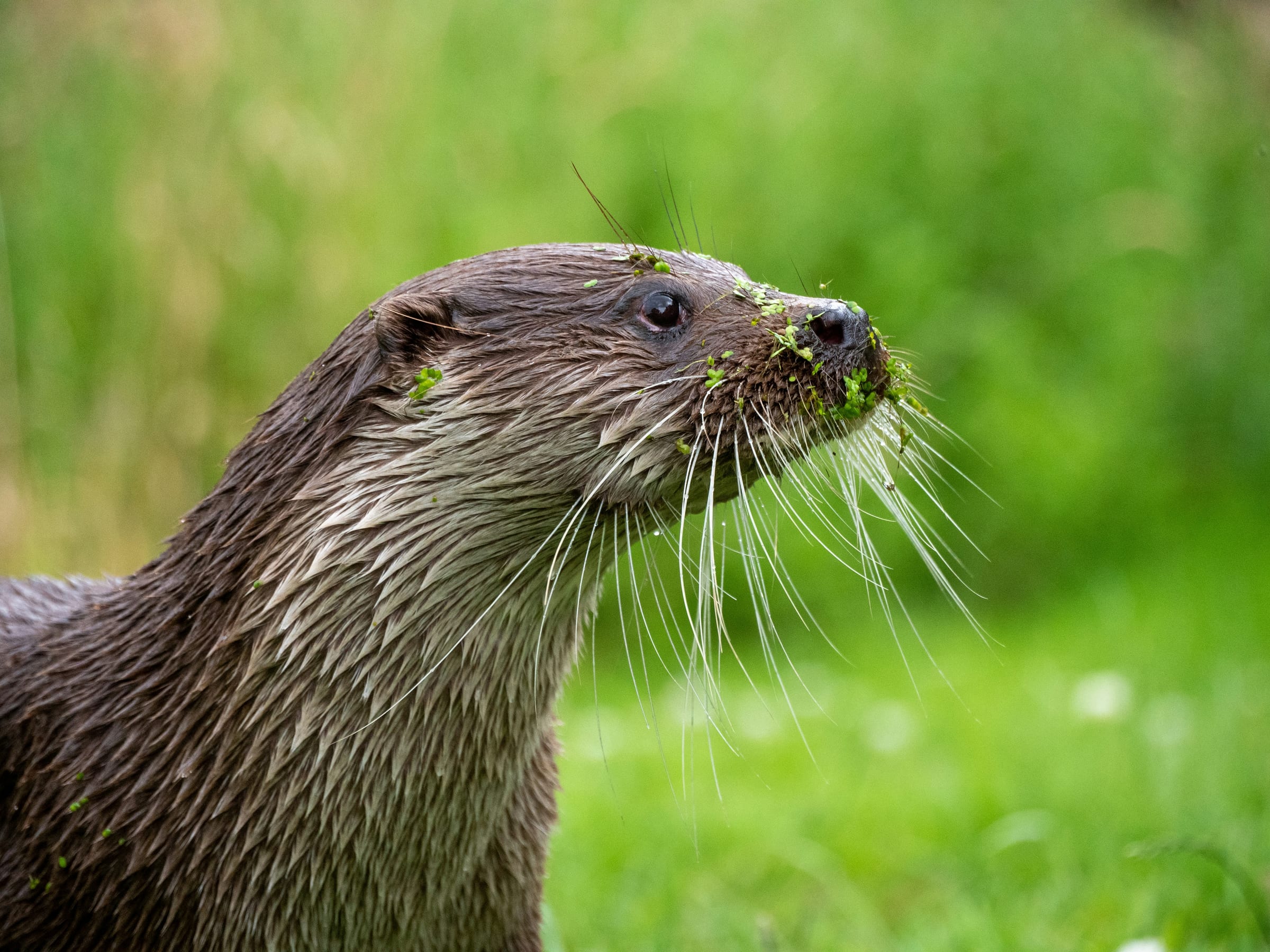
Eurasian otter
Lutra lutra
One was photographed on the Gilão in 2018 and made the local paper, because nobody had seen one in years. They need clean water, and they come after heavy rain.
There are many more
Hover a shapeTap a shape
When to look
Early
The first hour after sunrise is the best of the day. The water is flat, the town is asleep, and the birds are feeding rather than avoiding people.
Low water
As the tide drops it uncovers the mudflats, and that is when the waders come in to feed. Low tide is the time to come: the fiddler crabs are out on the mud.
Season
Some of this lives on the river all year. Other birds come for the winter, so the same stretch of water looks different in January and in July.
Out on the water
Birds leave when you get close and stay when you don’t, so the person who keeps their distance is the one who sees the most. Drift rather than paddle when something is in front of you. Keep to the channel and off the banks, where birds nest low in the reeds.